DUMPSTER SIZES
DUMPSTER SIZES IN ASHEVILLE, NC
Compare common dumpster sizes in Asheville and understand which option may fit your cleanup, renovation, roofing, or construction project.
WHICH DUMPSTER SIZE IS RIGHT FOR YOU?
A dumpster’s “yard” size is its volume in cubic yards, so a 10-yard dumpster holds 10 cubic yards of material. Exact dimensions, weight limits, and rental terms vary by provider, so confirm them before you book. The right dumpster depends on the amount and type of debris your project will generate. A smaller container may work well for a limited cleanup, while larger projects may need more capacity.
10-Yard Dumpster
Best for: Smaller cleanouts, limited renovations, and projects with a manageable amount of debris.
- Small cleanouts
- Bathroom updates
A 10-yard dumpster can be a practical choice when your project does not require a large amount of container space. Consider the type of material you are removing as well as the overall volume.
Is a 10-yard right for me? →
20-Yard Dumpster
Best for: Home renovations, cleanouts, roofing projects, and medium-sized jobs.
- Renovations
- Home cleanouts
A 20-yard dumpster provides more capacity for projects that generate a larger volume of debris. It can be a versatile option for many residential and project-based cleanups.
Is a 20-yard right for me? →
30-Yard Dumpster
Best for: Larger renovations, construction projects, and major cleanouts.
- Major cleanouts
- Construction
A 30-yard dumpster offers additional capacity for projects producing substantial amounts of debris. Before choosing a larger container, consider both the volume and type of material involved.
Is a 30-yard right for me? →
DUMPSTER SIZES IN ASHEVILLE AT A GLANCE
Compare common dumpster sizes in Asheville side by side to see which option may fit your project. Consider the amount and type of debris you expect to generate, along with any weight or material restrictions, before choosing a container.
|
Size |
Capacity |
Good Fit For |
What To Consider |
|---|---|---|---|
|
10 Yard |
10 cubic yards |
Smaller cleanouts and limited projects |
Best when debris volume is relatively manageable |
|
20 Yard |
20 cubic yards |
Renovations, cleanouts, roofing, and medium-sized projects |
A versatile option when you need more capacity |
|
30 Yard |
30 cubic yards |
Larger renovations, construction, and major cleanouts |
More capacity for projects generating substantial debris |
Note:
Dumpster dimensions, weight limits, and accepted materials can vary. Please confirm the specific container specifications and rental terms before booking.
Size Isn’t The Only Thing To Consider
The amount of debris matters, but so does the type and weight of the material. Consider what you’re removing before choosing a dumpster.
Volume Matters
Dumpster size describes the amount of space available for your debris. Estimate how much material your project is likely to generate before choosing a container.
Weight Matters too
A dumpster can reach its weight limit before it is completely full, especially when the load contains heavy materials.
Concrete, dirt, brick, tile, shingles, and other dense materials should be considered differently from lighter household or renovation debris.
Read about weight limits →
Material Matters
The type of debris can affect which dumpster is appropriate. Before loading, check what your hauler accepts and whether certain materials require special handling. For local disposal information, see the Buncombe County Landfill.
Learn About Dumpster Materials →
Match the Dumpster to Your Project
Different projects create different amounts and types of debris. Choose a dumpster based on the size of your project and the materials you expect to remove.
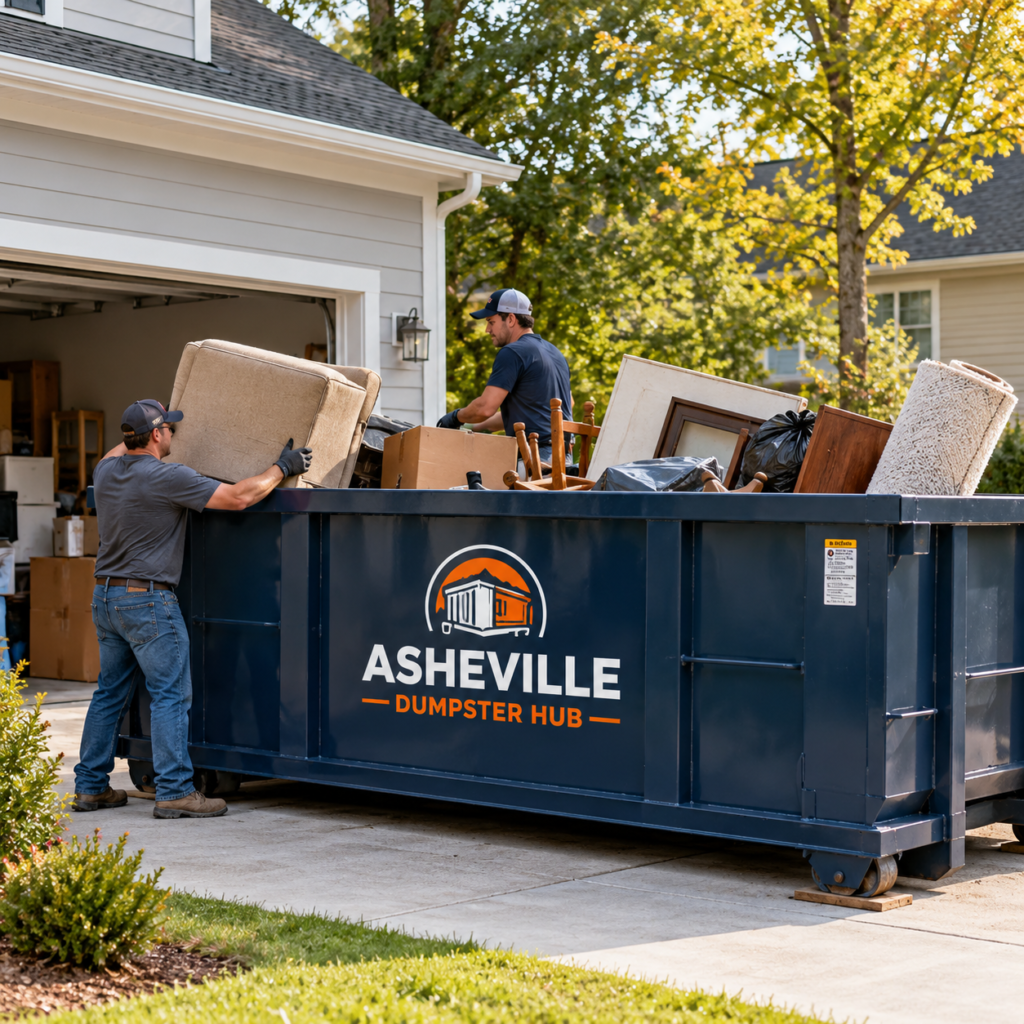
Home Cleanouts
Clearing a house, garage, basement, or other space can produce a mixture of household debris. Choose a size based on the amount and type of material you expect to remove.
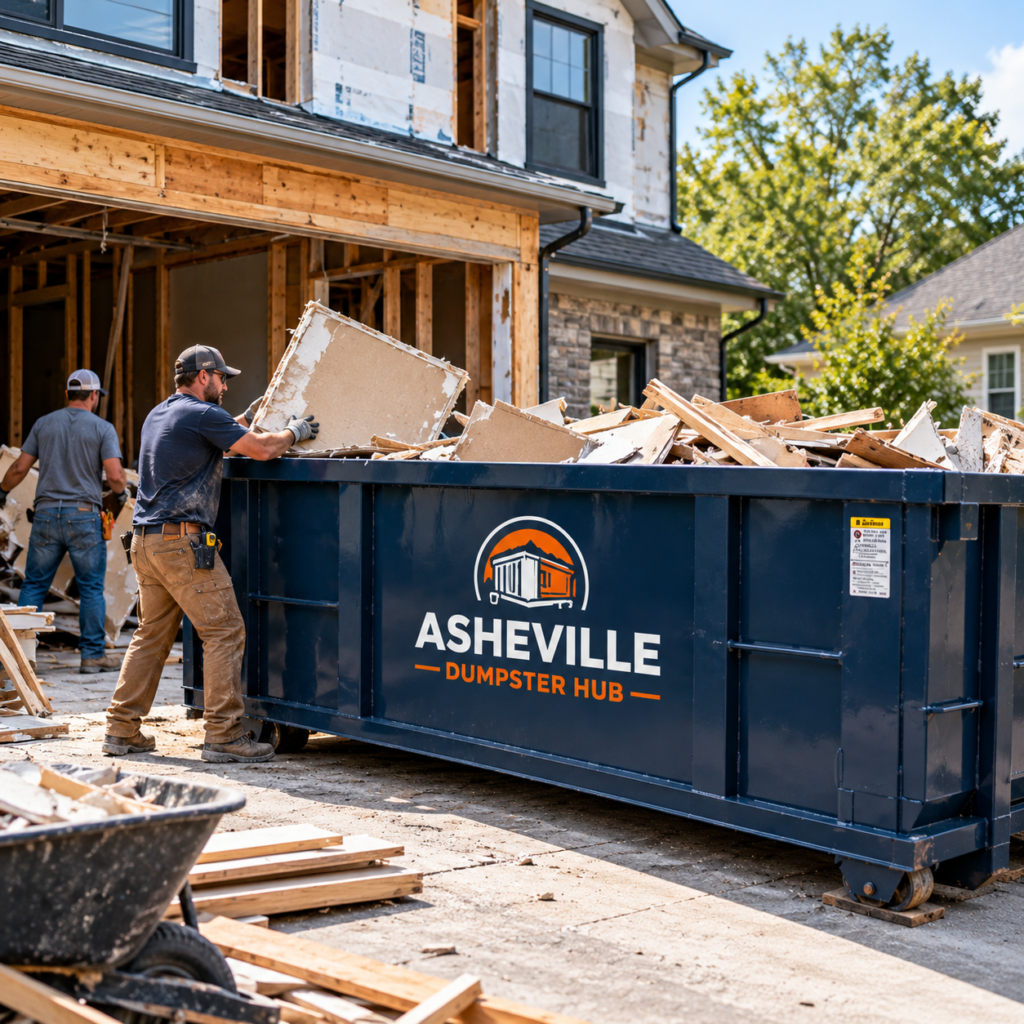
Remodeling
Kitchen, bathroom, flooring, and other renovation projects can generate different amounts and types of debris. Consider both the volume of material and whether the load includes heavier items.
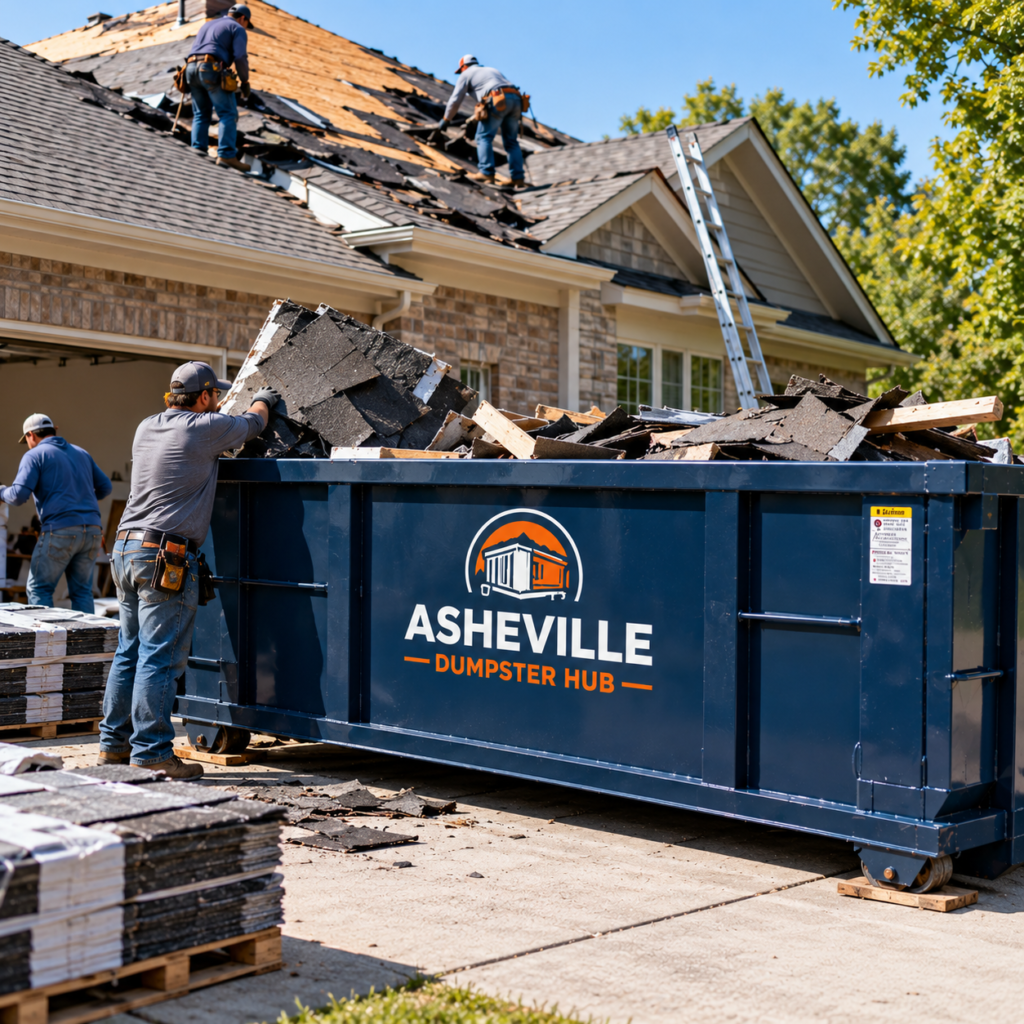
Roofing
Roofing work can generate a significant amount of material, and shingles can be heavy. Consider the size of the project and the type of roofing debris before choosing a container.
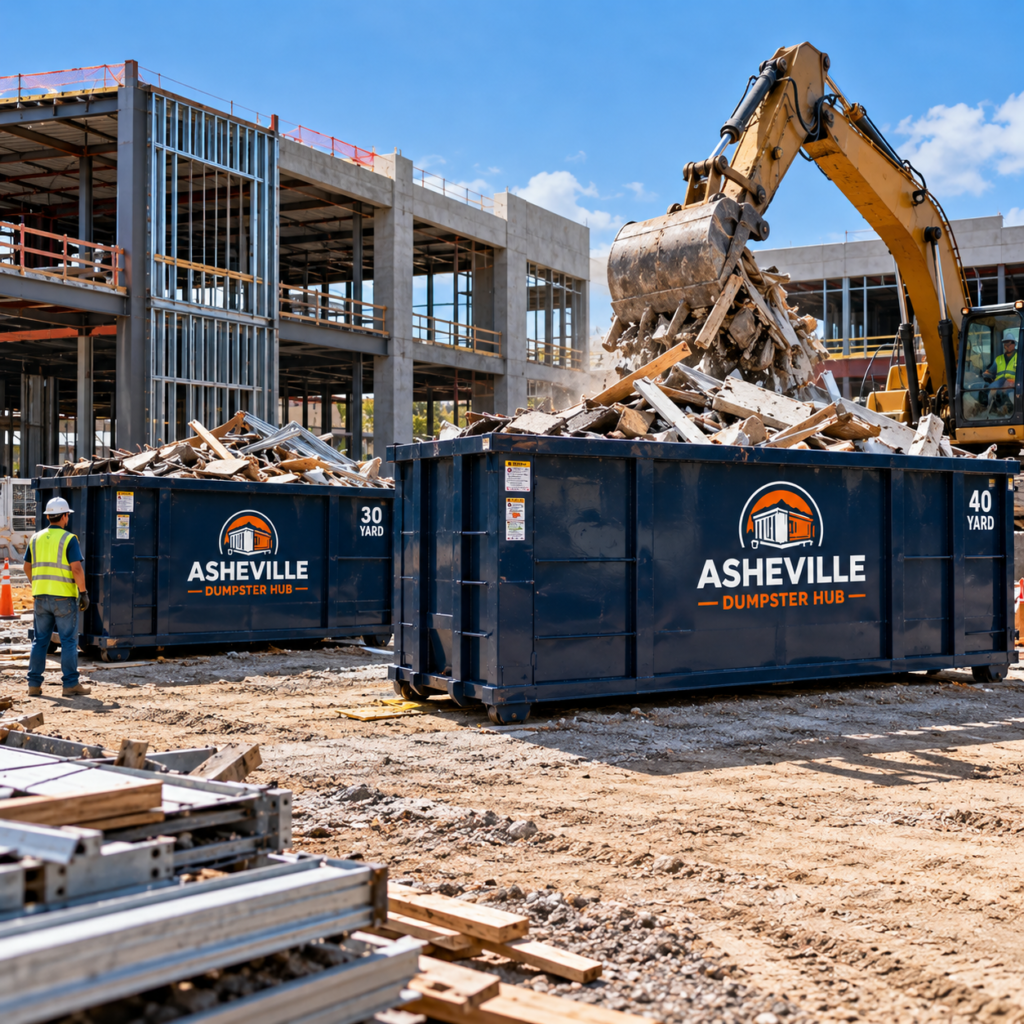
Commercial Construction
Construction and commercial projects can produce larger volumes of debris and may involve heavier materials. Plan around the type and amount of waste your project will generate.
Not Sure Which Size You Need?
You don’t have to guess.
Think about three things:
1. How much debris will the project generate?
2. What type of material will go into the dumpster?
3. Where will the dumpster be placed?
Still unsure about dumpster sizes in Asheville? Call or request a quote and describe your project.
Plan Your Dumpster Rental With Confidence
Before you choose among dumpster sizes in Asheville, explore guides on materials, placement, the rental process, and costs. Explore helpful guides on materials, placement, the rental process, and costs before you book.
BEFORE YOU BOOK
What Can Go In A Dumpster?
Learn what materials are generally accepted, what may require special handling, and what you should check before loading.
BEFORE YOU BOOK
Where Can You Put A Dumpster?
Plan a practical placement spot by considering access, surface, slope, overhead clearance, and driveway or street placement and whether a city permit applies for street placement.
HOW IT WORKS
Dumpster Rental Process
Understand the basic steps from choosing a size and planning placement to requesting your rental and arranging the next step.
PLANNING
Cost & Rental Terms
Understand what can affect dumpster rental costs and what to look for when comparing a quote and rental terms.
Ready to Choose Your Dumpster?
Have a project in mind but still deciding among dumpster sizes in Asheville? Tell us what you’re working on and get started with a dumpster rental request.